The crisis fattening

Bubblews

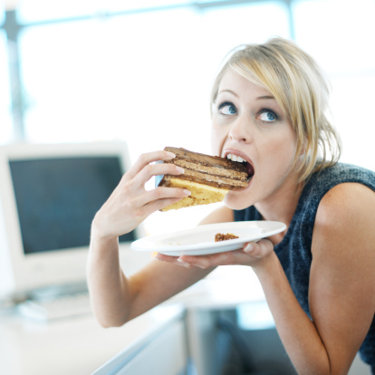
woman eatingThe anxiety about unemployment and consumption of cheaper, less nutritious, it shows in the balance of women. And so we find, distressed by the socio-economic situation of our family, the country, and angry because that pants last season and outgrown us, for obvious reasons, we have no margin to renew all the costumes.

Is that women get fat with the crisis. The information comes from an analysis by experts of the European Medical Institute of Obesity (IMEO) towards the last World Obesity Day. The latest statistics place women in the focus of this XXI century epidemic and the report «XXLW Generation,» published recently by the IPSOS-company specializing in identifying the behaviors, attitudes and opinions of society, realizes that effectively socioeconomic imbalances by passing through many countries, cases of obesity are skyrocketing.

They say that women are more likely to suffer from depression and anxiety, and these situations of crisis, loss of jobs and resources affect a large percentage of your eating. Hormones such as estrogen, endogenous opioids, the youth hormone, the sulfatodehidro-epiandroestendiona, progesterone and testosterone, among others, form a cocktail that influences the way they behave, to feel sadness or joy and face food , and makes them more susceptible to emotional eaters than men.

In the case of serotonin, known as the «happiness hormone», it has been observed that women produce 52 percent less in their brains than men. And if this also reduces neurotransmitter decisive mood, increases feelings of sadness and discouragement.

Ever happened in a fit of sadness felt ice cream or chocolate were able to change their lives? The reason: sweet foods increase serotonin levels causing a momentary anxiolytic and antidepressant effect.

Therefore, dealing with crises living in different scales, European, Latin American and even the United States, it is best to get moving and not just to find alternative livelihoods. With exercise, improves lung function, reduces bad cholesterol and body fat, lower anxiety levels and increases the feeling of well-being with the segregation of endorphin.

Have you gained weight in the middle of an economic crisis? What attribute it?

Desechando estigmas: la obesidad, un programa de la Radio Nacional Española

Viaje al centro de la noche, RNE

La obesidad sae ha convertido no sólo en un estigma social que discrimina las perosnas que usan una talla grande, sino hasta los culpabiliza, con todo que esto supone. En el mundo cada vez hay más personas con sobrepeso y obesidad en edades más tempranas.  Los padres amenudo reconocen que esto se debe a los malos hábitos alimentarios de sus hijos unido a un ocio sedentario.
En España dos de cada tres personas tiene sobrepeso y una de cada seis es obesa. Además uno de cada tres niños de 3 a 14 años tiene sobrepeso. Los niós no eligen qué van a comer, se encuentran con una estructura alimentaria hecha donde intervienen colegio, padres, industria alimentaria diseñada para atraer este tipo de consumidor. Y lo que pasa factura a la salud e nuestros menores, a menudo deja secuelas psicológicas. ORNI le llamaban a un niño con sobrepeso, «objeto rodando no identificado», burlandose de su condición física.

La crisis ha agravado la situación, ya que ante los escasos recursos económicos, muchas familias han optado en ahorrar en  la cesta de la compra, consumiendo menos carne, fruta y perdura fresca y apostando por productos más baratos, como la bollería industrial y los precocinados, apunta Rubén Bravo portavoz del Instituto Médico Europeo de la Obesidad (IMEO).

Para escuchar el audio completo pulsa play.

Expertos en nutrición del IMEO y amas de casa enseñan a comprar barato y de manera saludable

La Sexta Noticias

Con esta iniciativa, estas amas de casa se han propuesto que podemos llenar el carro de la compra de alimentos sanos y con el mismo presupuesto. Se pretende acabar con la obesidad, ya que uno de cada seis españoles es obeso, y más del 37% de la población sufre de sobrepeso.

«La crisis ha hecho que el presupuesto para alimentación se reduzca, y compremos productos más económicos pero menos sanos», apunta Rubén Bravo, experto en nutrición del Instituto Médico Europeo de la Obesidad (IMEO). Ajustar el presupuesto no es incompatible con comer mejor. Esta es la forma de pensar de un grupo de amas de casa, que se han propuesto enseñarnos como llenar el carro de la compra de alimentos sanos y sin gastar tanto dinero. Lo más importante es planificar las comidas, ya que de esta manera se compra lo justo y no se acaba tirando comida.

España está a la cabeza de obesidad infantil en Europa, y los expertos recuerdan que las legumbres son más saludables que la pasta y el arroz, e incluso y más económicas. Los pacientes con sobrepeso han dado el paso a la obesidad, ya que han sacado de la lista de la compra frutas y verduras sustituyéndolas por productos precocinados y comida rápida.

Este grupo de amas de casa aseguran que los productos a un euro parecen más baratos, pero el formato familiar suele ser más económico. También aconsejan a que se hagan dos compras pequeñas a la semana que una grande al mes. Así lo asegura Gema, una de las integrantes de este grupo de amas de casa, ya que «antes compraba más solomillo, ahora compro pollo que es más barato y tiene menos grasa».

The 10 Biggest Weight Loss Mistakes

Ehow blog
Weight-LossDiet, beyond an effort to reach your ideal weight, it has become a frequent companion of the modern woman throughout her life, from 18 to 65 years old. According to nutrition expert Ruben Bravo Medical Institute and spokesman for European Obesity (IMEO), “if we make an estimate, we surprised them the time they spend watching what they eat: they are able to perform an average of 94 diets, 4 each week, equivalent to a total of eight years. This concern of staying fit naturally, as the weight of women is bound to fluctuate due to moments of physical change and / or hormonal important, like having a child, emotional factors derived from personal relationships, menopause or the environment labor.

Better to lose weight slowly

However, national statistics indicate that 44.6% of Spanish overweight. This shows that most of these women do not get rid of the extra kilos and the fact they are loaded at least two diets every year, especially in the post-Christmas and known as ‘Operation Bikini’ of summer, suggesting that recover fail to lose any weight.”If we set a real goal in the diet, as it lost two or three kilos in one month instead of ten, at the end of the year we will have achieved an important step towards our goal that would not cost us much to maintain,” says Bravo. It is logical that if, after passing through a low calorie diet, return to previous habits, body weight gain, weight can reach up higher than we had before starting the diet, and you want to ensure survival through sufficient reserves when it returns this diet that is imposed.

Some studies warn that increasingly fewer Spanish who follow the Mediterranean diet in 2010 declared Intangible Cultural Heritage of Humanity. More than a system, it is a healthy lifestyle with a balanced and varied diet, low in saturated fat and rich in fiber and antioxidants. But in a society plagued by high rates of obesity and overweight, priorities have changed and what you are looking for the most part, no doubt, is a diet that allows you to lose weight fast.

The 10 most common mistakes
1. Choosing random diet is just as bad to be a ‘perpetual diet’: often forgotten that diet, like a suit, must be as. “Jumping from one diet to another to try to lose weight is a big mistake, because in the end just slowing down our metabolism, increasing cortisol levels thus so will the stress, anxiety and our tendency to store fat,” says Bravo. If we want to lose weight, it is essential to consult a specialist.

2. Set ourselves very high targets in the short term many people are entering the rush on certain occasions, either to ‘look little guy at a wedding’ or to ‘stand the test of swimsuit’, pretending to lose 10kg in a month. A goal so high in such a short time jeopardizes the success of the mission. “The healthy and effective is to lose 1kg a week, 1.5 Kg if we perform physical activity, weight above it run the risk of rebound effect, losing mostly water and muscle mass, and a few days to find irritable, apathetic and weaknesses, “says the expert IMEO.

3. Skipping meals: is shown to perform about five meals a day helps monitor the diet.Food intake should be every three or four hours. This favors an increased metabolic rate and helps to prevent anxiety and less hungry to get to the next meal.

4. Remove any food group or that give us pleasure: “to lose weight effectively, avoiding the rebound effect in the medium and long term, do not remove or proteins or fats, and carbohydrates; simply to reduce food intake and increase some other, leaving pleasure objects except for the weekend, “advises the specialist.

5. The same menu every day: the lack of variety in a diet makes us bored and tired of it after a while.

6. Do not drink water during the meal: nothing is further from reality, for drinking water in our food not only slimline, but increases levels of satiety and make us eat less. “Water denatured food when metabolize and slows our digestion, focusing directly on the digestive acidity levels, so it is essential in the intake,” says Bravo.

7. The “light” too fat: it is common that when we introduce a diet food with fewer calories or Light in the diet.However, many times to know that these less fattening foods, we tend to consume more. In the end, the result may be in a caloric equal to the original food.

8. Dinner only fruit: although fruits provide us with plenty of water and vitamins, you should also keep in mind that contain simple sugars that are digested quickly and precisely give us energy we do not need to last the day.The ideal is to eat the fruit alone, so nutrients are better absorbed, or half an hour before meal for their satiating effect.

9. Many diet, but little exercise: lose weight is to get to spend more calories than our body needs for it to turn to fat stores for energy. When we are on a diet restrict energy intake, but what happens when we turn to diet and increase your daily calories?Physical activity makes our caloric expenditure is greater and, therefore, that consuming the same calories not fatten. It also promotes the metabolism and releases endorphins that make us feel better.

10.  Check compulsive scale: impatience often quick weight loss plays a trick on us. Hunger spent a day out is not reflected immediately in the scale and, therefore, no cause for despair if today we weigh the same as yesterday or even a few grams more, after taking a lot of water. Nutritionists advise weighed not compulsively, much less every day or excessively. The ideal would be to check the scale once a week, to be possible in the morning and always at the same time.

В ожидании лета: где моя диета?

Испания по руски

21_dietaЕвропейский медицинский Институт по изучению и профилактике ожирения  (IMEO) провел исследования в среде женского населения Испании. Выяснилось, что почти половина сеньор и сеньорит (44,6%) страдают если не явно выраженной тучностью, то уж точно излишним весом.

Эксперты-нутрициологи обнаружили, что среднестатистическая испанка в общей сложности 8 лет своей жизни проводит на диетах: это означает, что она практикует примерно 94 способа похудеть и на каждый из них затрачивает по 4 недели. Причем, стиль жизни современной женщины диктует темпы интенсивных курсов сбрасывания веса – предпочтительно избавляться от 10 кило за месяц с помощью новомодных диет, чем растягивать процесс почти на год, теряя «всего» по килограмму ежемесячно.

Пик борьбы с лишним весом приходится на два периода: после рождественских «сытных» праздников и в преддверии лета – так называемая «Операция Бикини».

Специалисты Института подчеркивают, что медленный путь – более здоровый для организма, именно таких результатов можно достичь (похудеть и не оказаться изможденным и больным), придерживаясь знаменитой средиземноморской диеты, которая с 2010 года занесена в Список нематериального наследия человечества.

Однако, по принципу «что имеем – не ценим», испанки с каждым годом все меньше следуют традициям средиземноморского стола, увлекаясь экспериментальными диетами, которых в ходе исследования экспертам удалось насчитать более 130.

Espanha: crise econômica faz aumentar obesidade entre mulheres

Noticias Terra Brasil
O aumento do desemprego feminino e o consumo de produtos mais baratos e menos nutritivos para ajustar a economia doméstica à renda são alguns dos fatores responsáveis pelo aumento da obesidade entre as mulheres na Espanha. Esse é o resultado da análise realizada por especialistas do Instituto Médico Europeu da Obesidade (IMEO) às vésperas do Dia Mundial contra a Obesidade, celebrado nesta segunda-feira e no qual será abordada aquela que se transformou em uma das principais preocupações das sociedades modernas na última década.

As últimas estatísticas mundiais sobre obesidade põem a mulher no foco desta epidemia do século XXI e no relatório «Geração XXL», publicado recentemente pela companhia Ipsos – especializada em identificar as condutas, atitudes e opiniões da sociedade. A convergência dos efeitos psicológicos da crise, como a ansiedade e depressão, e a queda da qualidade nos carrinhos de mercado devido à diminuição de recursos é o motor deste aumento de casos de obesidade nas mulheres espanholas.

Em geral, as mulheres são mais propensas a sofrer depressões e ansiedade, e estas situações de crise, perdas de emprego e de recursos afetam em alta porcentagem sua forma de se alimentar, segundo Elisabeth Gónzalez, especialista em nutrição do IMEO. Hormônios como os estrogênios, a progesterona e a testosterona, entre outros, formam dentro do organismo uma espécie de «coquetel» que influi na forma de se comportar, de sentir tristeza ou alegria e de lidar com a comida, e tornam as mulheres «mais suscetíveis de ter compulsão alimentar emocional do que os homens».

Por exemplo, no caso da serotonina, às vezes conhecida como o hormônio da felicidade, observou-se que as mulheres a produzem 52% menos em seu cérebro que os homens. Este neurotransmissor é um peso pesado no estado de ânimo, nos níveis de ansiedade, na percepção da dor, nos sonhos e na conduta alimentar, e se seus níveis diminuem, aumenta a sensação de tristeza e desânimo.

«Não é por acaso – afirma González – que quando estamos tristes ou desanimadas, gostamos de um sorvete de chocolate, já que os alimentos doces e com muito açúcar aumentam as concentrações de serotonina, produzindo um efeito antidepressivo e tranquilizante momentâneo». Mas, além disso, a mulher tem menos capacidade muscular que o homem, por isso seu metabolismo é menos efetivo queimando gorduras, segundo a especialista, que por isso recomenda atividades físicas regulares.

Obesity rises among Spanish women due to economic woes

EFE / Fox News Latino

The rise in female unemployment and the consumption of cheaper and less nutritious food products to adjust household expenditures to reduced incomes are some of the factors responsible for the recent increase in obesity among women in Spain.

That is the result of the study carried out by experts of the European Medical Institute of Obesity, or IMEO, for the World Day Against Obesity, which will take place on Monday and bring attention to what has become one of the main health concerns for modern societies over the past decade.

The latest global statistics on obesity place women in the center of the 21st century epidemic and the report «Generacion XXL» – recently published by the firm IPSOS, which specializes in identifying behaviors, attitudes and opinions in society – says that the number of cases of obesity has shot up during the current crisis.

The psychological effects of the crisis, including anxiety and depression, and the decline in the quality of the food basket due to the reduction in household incomes have resulted in the rise in obesity among Spanish women.

In general, women are more prone to suffer from depression and anxiety, and the current crisis situation, which – for many – has led to a loss of income and resources, is greatly affecting how and what they are eating, IMEO nutrition expert Elisabeth Gonzalez said.

Hormones like estrogen, endogenous opioids, progesterone, testosterone and others form a cocktail that influences modes of behavior, induces feelings of sadness or happiness and makes women «more susceptible to being emotional eaters than men,» Gonzalez said.

Spanish women, however, are concerned about their figures and many undergo weight loss treatments and are engaging in more physical exercise than men, physical trainer and psychologist Sandra Pino said. EFE

The diet antiinflamatoria

Fuente: EP/ Cooking of the World

The modification of the daily diet contributes to diminish the processes inflamatorios of any class and also help to reduce the consumption of medicines anti-inflammatories, remember the specialists of the Medical Institute European of the Obesity (IMEO).

“The diet antiinflamatoria bases , on the one hand, in the elimination of foods proinflamatorios like red meats, milk of cow, flours refinadas, simple sugars and fats trans”, explains the Dr. José Francisco Tinao of the IMEO. These last usually find in snacks and salty appetizers, products precocinados, cookies, margarines and bollería industrial. On the other hand, this type of diet requires more consumption of rich foods in acids omega 3, than do not produce internally in the organism and find especially in the blue fish and in the walnuts. His function is to improve the performance of the organism and reduce the inflammation. In this type of menu prevail the vegetables and complex cereals, the seeds without toasting and the white meats. The way to cook is very simple: to the iron, to the steam and to the oven.

The soluble fibres, that find in the apples, the walnuts and the oats, reduce the processes inflamatorios that cause the illnesses associated with the obesity and strengthen the immune system. This type of fibres, in addition to attracting water, able sound to diminish and do more slow the absorption of fats and azucares of the foods, by what contribute to regulate level them of cholesterol and of glucose in blood.

The plan of treatment, implemented by the Medical Institute European of the Obesity, provides evident improvements to the patient. The aim of this therapeutic process is to avoid the surgery and do without the medicines that can have secondary effects.

The support and the stimulation of the immune system basic sound for it prompt recovery. It is recommended suplementar the treatment with amino acids like glutamine, prolina, lisina or omega 3, without neglecting them probioticos. The use of farmacological doses requires that this therapeutic action realise under a medical control. Antioxidants like the cúrcuma, received in quantities adapted, do not take in showing his effect aliviante even in grave situations.

The intestinal illnesses are not a platitudinous process. The measures that take owe being swung with them farmacological usual and customised in each case.

The technicians mind-body help to the patient to manage the stress

The main guilty of these illnesses, according to the professional, is the stress. This explains why go in them affected often find directors or people than generally works under pressure, go in 30 and 50 years of age. The repetitive situations of stress inciden on which suffer these illnesses inflamatorias intestinal of form refusal. «For this reason, the technicians mind-body have to incorporate to the treatment», underlined the Dr. Tinao of the IMEO. «It is necessary to give instruments to the patient so that they are able to manage his stress, as well as attain that phases of rest or the dream are reparadores», added.

There is numerous publications on these relations and the western medicine in general is concienciada increasingly of this. You program like visualisation, relaxation or the realisation of technicians of cardiac coherence are useful instruments to tackle the problem, without having to resort to the compulsory use of tranquilizers.

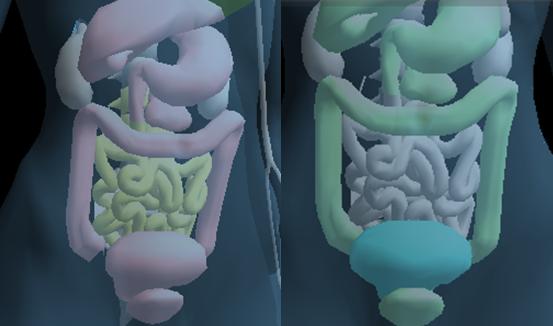
Images of evolution of a patient with intestinal inflammation

The treatment helps to the patient to happen of a situation of process inflamatorio (signalled with red colour, pink and yellow) to value them of correct functionality (green, grey and blue).

IMEO en Radio Nacional de Rumania

Peste un sfert dintre copiii spanioli sunt obezi

 Adăugat: 12 Noiembrie 2010
Autor: Annamaria Damian, Madrid
Fuente: Radio Nacional de Rumania

Cazurile de copii supraponderali sunt tot mai frecvente în Spania, ţară aflată între primele locuri în Europa, în topul ţărilor cu cei mai mulţi copii obezi.
Amenzi usturătoare pentru neplata rovinietei «Bilete duble» pentru obezi
Lipsa de încredere duce la obezitate

28 % din populaţia Spaniei cu vârste între 2 şi 17 ani este supraponderală sau obeză, potrivit Ministerului Sănătăţii de la Madrid.

Cazurile de copii obezi sunt tot mai frecvente în Spania, ţară aflată între primele locuri în Europa, în topul ţărilor cu cei mai mulţi copii obezi, împreună cu Malta, Italia şi Grecia.

Potrivit specialiştilor Institutului Medical European al Obezităţii din Madrid (IMEO), părinţii au cea mai mare responsabilitate în acest sens, începând cu alimentaţia incorectă, care necesită schimbări.

Prăjiturile şi dulciurile cumpărate din magazin, prăjelile, chipsurile, jeleurile de astăzi mâncate în loc de mâncare vor fi mâine un obicei alimentar, foarte greu de anulat sau de schimbat şi cu urmări negative pentru sănătate, afirmă Lucía Velilla Vico, specialist în probleme de alimentaţie pentru copii.

Reeducarea este fundamentală, spune ea, astfel că pentru ca un copil să crească sănătos, din meniul său zilnic nu trebuie să lipsească: fructe, legume, pâine, orez, paste, lactate, peşte, carne şi grăsimi sănătoase ca uleiul de măsline sau fructele uscate (nuci, migdale, cajou etc.).

Specialiştii subliniază că trebuie să explicăm copiilor de ce e important să mănânce sănătos şi de ce anumite alimente trebuie mâncate zilnic şi altele doar ocazional. Cei mai mulţi copii de vârstă şcolară au nevoie de 1.600 – 2.200 calorii pe zi: 55%  din energie trebuie să provină din hidrocarburi, 25% din grăsimi şi 25 %  din proteine. În plus, organismul are nevoie de fibre, colesterol şi sare.

Medicii nutriţionişti folosesc în procesul de reeducare a familiilor o piramidă a alimentelor care este un bun exemplu şi pentru ca micuţii să îşi aducă aminte de toate alimentele sănătoase.

De altfel, în şcoală, şi chiar în grădiniţ ă, copiii sunt învăţaţi să cunoască importanţ a fiecărui aliment. În acelaşi timp, părinţii sunt sfătuiţi ca în loc de corn cu ciocolată să le pună în ghiozdan ori un fruct (alimentează mai mult, în ciuda numărului mic de calorii), ori un iaurt, ori un sandwich făcut în casă.

Cu toate acestea, părinţii sunt cei care au nevoie de informaţii în permanenţă pentru alimentaţia copiilor lor. Din cauza lipsei de timp, a comodităţii sau pur şi simplu pentru că aşa vrea copilul, fructul este înlocuit cu un suc la cutie (plin de zahăr şi conservanţi) sau cu cereale cu lapte în cantităţi prea mari.

Pentru a uşura modul de alimentaţie, meniul şcolar al copiilor care mănâncă la prânz în colegiu, este comunicat părinţilor cu detalii: pe zile şi cu aportul caloric al fiecărei mese. În plus, în anumite cazuri, meniul de prânz este însoţit de idei pentru cina de acasă, astfel încât să fie respectată piramida alimentară.

Specialiştii insistă şi în practicarea unui sport, de preferinţă unul care să le facă plăcere copiilor, pentru a limita sedentarismul. De patru ori pe săptămână, spun medicii, iar zilele în care copii se joacă la calculator, nintendo, wii, playstation sau se uită la televizor să fie reduse la două.

Părinţii copiilor obezi trebuie să ştie că nu există o durată fixă pentru tratament, spune Lucia Vico.

Ea mărturiseşte că numărul de consultaţii a crescut cu 30% în ultimele patru luni.

Tratamentul depinde de multi factori, între care  cauza bolii: endocrinologică, regim alimentar hipercaloric sau predispoziţ ie genetică. În 95 la sută din cazuri, cel mai bun tratament este o educaţ ie alimentară corectă.

10 sfaturi pentru părinţi din partea IMEO

1. Asiguraţi-vă că din dieta zilnică a copilului nu lipsesc 5 porţii de fructe şi legume.

2. Obligatorii, la toate mesele, mai puţ in la cină, sunt şi cele 4 porţ ii de carbohidraţ i: cereale, pâine, paste şi orez.

3. Să nu lipsească din meniu cele două porţ ii de proteine: peşte, ouă, carne, lactate.

4. Două porţii de grăsimi sănătoase pe zi:  fructe uscate, ulei de măsline, de preferat la mic dejun sau la cină.

5. Cinci mese pe zi: mic-dejun, prânz şi cină plus două gustări, dimineaţ a şi după-amiaza.

6. Nu cedaţi la rugaminţi pentru chipsuri şi cornuri cu ciocolată etc. Sunt produse industriale, pline de zahăr şi grăsimi. Sucurile cu acid intră în aceeaşi categorie.

7. Copiii trebuie să bea cel puţin un litru de apă pe zi.

8. Învăţaţi copiii să mănânce cantăţ i corecte de mâncare, atât acasă, cât şi în alte părţi.

9. Stimulaţi practicarea sportului şi activităţ ile de grup. Mai puţine jocuri video, calculator şi TV. Alegeţi activitatea sportivă cea mai potrivită pentru copii.

10. Nu folosiţi niciodată alimentele ca premiu sau pedeapsă, pentru că vor asocia dulciurile cu “bun”şi fructele şi legumele cu “rău”.

Alte date de interes:

– în Spania, 7% din bugetul Ministerului Sănătăţii revine programelor contra obezităţii.

–  14% din adulţi sunt obezi, 40% sunt supraponderali, iar cele mai afectate sunt femeile
Ser Obsessivo com Alimentação Saudável Também é uma Doença

Ortorexia é um “tipo de transtorno obsessivo”

Ortorexia  é um “tipo de transtorno obsessivo”, que leva ao extremo a idéia de alimentação saudável e controlada. Segundo a Organização Mundial da Saúde (OMS), a ortorexia afeta 28% da população dos países ocidentais e isso poderia subir.

Embora as conseqüências da ortorexia dependam de sua gravidade, de acordo com Ruben Bravo, um nutricionista e naturopata do Instituto Médico Europeo da Obesidade (IMEO), uma de suas características é que é uma doença “progressiva e silenciosa”, que faz o dia-a-dia do sujeito ser cada vez mais limitado.

Assim, a ortorexia pode começar por limitar muito a alimentação, evitando o consumo de carne vermelha, ovos, açúcar, laticínios e gorduras, isso pode impedir o sujeito de comer fora e até mesmo levá-lo a passar 3 ou mais horas por dia para organizar a sua dieta.

Normalmente, explica o nutricionista da IMEO, a ortorexia leva ao “isolamento social”, já que o indivíduo se oprime a assistir uma refeição entre amigos ou uma refeição empresarial, por isso tende a limitar seu círculo social em “pessoas que se sentem da mesma maneira”.

De acordo com este especialista, “estas pessoas pensam que são superiores àqueles que não seguem esse modo de vida”, porque a sua abordagem é muito “complexa”, porque muitas vezes apresentam uma “falsa auto-estima”, com base nesta ideia de superioridade e com plena convicção que sua vida é “melhor” do que a do resto.

Ao respeito de seu perfil psicológico, Bravo explica que eles são pessoas que estão “mais preocupados com a qualidade dos alimentos do que com o prazer de comer”. Assim, gastam muito do seu tempo (3 horas ou mais por dia) para organizar o plano de dieta e com bastante antecedência, percorrer longas distâncias para conseguir comida especial ou puramente ecológica, pesar, analisar seus componentes e abandonam sua atividade diárias para realizar a sua forma patológica da vida.

Um Paciente que Contava Quantas Vezes Tinha Mastigado

“Eu atendi um paciente que controlava quantas vezes mastigava cada pedaço de comida. Tinha que mastigar 28 vezes porque tinha lido numa revista que assim era saudável”, diz o naturopata Instituto Médico da Obesidade.

Todos estes rituais têm uma série de conseqüências para a saúde. Na esfera psicológica, Bravo explica que muitas vezes têm “altos níveis de dopamina e níveis baixos de serotonina. Isto significa que têm um excesso de euforia combinados com altos níveis de ansiedade.”

E no aspecto físico da saúde, pode ser que haja um excesso ou falta de vitaminas. Além disso, muitos desses pacientes apresentam déficits em sua massa corporal, hipertensão e problemas cardiovasculares.

Ortorexia afeta principalmente mulheres e adolescentes. Ele também tem um impacto grande sobre os atletas, especialmente em pessoas que praticam musculação.